Mastering Your Health: Digital Blood Pressure Monitors
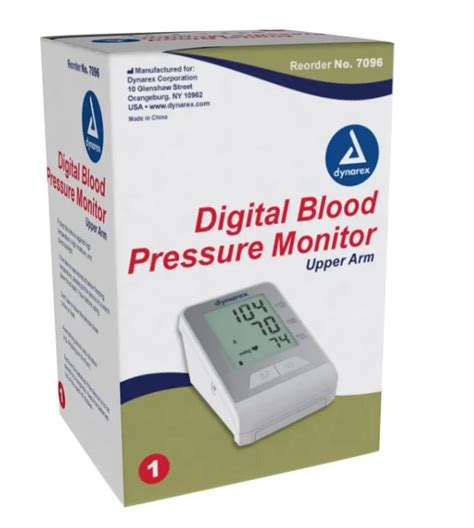
Mastering Your Health: Digital Blood Pressure Monitors
Why Monitoring Your Blood Pressure is a Game-Changer
Digital blood pressure monitoring
is truly a game-changer when it comes to taking charge of your health, guys. Seriously, understanding and regularly checking your blood pressure isn’t just for folks with existing heart conditions; it’s a vital part of
proactive health management
for everyone. Think of your blood pressure as a direct window into your cardiovascular system – it tells you a ton about how hard your heart is working and the condition of your blood vessels. When your blood pressure is consistently high, a condition known as
hypertension
, it silently puts you at a much higher risk for a whole host of serious health issues, including heart attack, stroke, kidney disease, and even vision loss. The scariest part about hypertension? It’s often called the “silent killer” because it usually doesn’t show any obvious symptoms until it’s already caused significant damage. This is precisely why
home blood pressure monitoring
with a reliable device is so incredibly powerful. It empowers you to detect potential issues early, allowing you and your doctor to intervene before things escalate. Imagine having the ability to track your health trends over time, noticing subtle changes that might indicate a need for lifestyle adjustments or medical consultation. This isn’t just about catching problems; it’s about optimizing your well-being. Regular
blood pressure monitoring
can also help you see the immediate effects of changes you make, like a new exercise routine or a healthier diet. It’s incredibly motivating to see those numbers improve because of your efforts! For those already managing conditions,
accurate blood pressure readings
at home provide your healthcare team with a much clearer, real-world picture of your blood pressure patterns than sporadic clinic visits ever could. Clinic readings can sometimes be higher due to “white coat syndrome,” where the stress of being in a medical environment temporarily elevates your pressure. Home monitoring helps bypass this, giving a more accurate average. So, investing in a good
digital blood pressure monitor
isn’t just buying a gadget; it’s investing in your longevity, your peace of mind, and your ability to live a full, vibrant life. It’s about being informed, being prepared, and being the best advocate for your own health. It’s time to stop guessing and start knowing, giving you the power to truly master your health journey.
Table of Contents
- Why Monitoring Your Blood Pressure is a Game-Changer
- Diving Deep into Digital Blood Pressure Monitors: What You Need to Know
- Picking the Perfect Digital Blood Pressure Monitor for You
- Getting Accurate Readings: Tips and Tricks for Your Digital Blood Pressure Monitor
- The Future of Blood Pressure Monitoring: Smart Features and Beyond
Diving Deep into Digital Blood Pressure Monitors: What You Need to Know
When we talk about
digital blood pressure monitors
, we’re referring to those super convenient, often automated devices that have made
blood pressure monitoring
accessible to everyone right in their own homes. Gone are the days when you needed a stethoscope and a tricky manual cuff to get a reading! These modern marvels work by using an oscillometric method, which detects the vibrations in your artery walls as blood flows through them. Basically, a cuff inflates around your arm or wrist, temporarily stopping blood flow. As the cuff slowly deflates, the monitor detects the pulsations of your blood re-entering the artery and uses complex algorithms to calculate your
systolic
(the top number, when your heart beats) and
diastolic
(the bottom number, when your heart rests between beats) pressure, along with your pulse rate. The beauty of
digital blood pressure monitors
lies in their ease of use. Most models are essentially one-button operations, making them incredibly user-friendly even for those who aren’t tech-savvy. You simply wrap the cuff, press a button, and in less than a minute, you have clear, easy-to-read numbers displayed on a screen. This simplicity removes much of the anxiety and complexity associated with traditional methods, encouraging more consistent monitoring. There are primarily two types you’ll encounter:
arm blood pressure monitors
and
wrist blood pressure monitors
. Arm monitors, which fit around your upper arm, are generally considered the gold standard for
accurate blood pressure readings
because they measure pressure closer to the heart’s level. They typically come with various cuff sizes to ensure a proper fit, which is crucial for accuracy. Wrist monitors, on the other hand, are smaller, more portable, and can be more convenient for some, but they require very precise positioning (holding your wrist at heart level) to achieve reliable results. Regardless of the type, the underlying technology aims to give you a consistent and reliable snapshot of your
heart health
. Many modern
digital blood pressure monitors
also include features like irregular heartbeat detection, which can flag potential arrhythmias, and memory storage, allowing you to track dozens or even hundreds of previous readings. This built-in history is invaluable for understanding trends and sharing comprehensive data with your healthcare provider. Understanding how these devices work demystifies the process and highlights why they’ve become an indispensable tool in personal health management, helping countless individuals proactively manage their
blood pressure
and thus, their overall well-being. So, whether you opt for an arm or a wrist model, getting familiar with its operation is your first step towards harnessing its power.
Picking the Perfect Digital Blood Pressure Monitor for You
Alright, guys, so you’re convinced that
digital blood pressure monitoring
is essential for your
heart health
, and you’re ready to buy one. Awesome! But with so many options out there, how do you pick the
perfect digital blood pressure monitor
that’s right for
you
? It can feel a bit overwhelming, but let’s break it down into a few key considerations. First up, and arguably the most crucial factor, is
cuff size
. Seriously, this isn’t something to guess about. An ill-fitting cuff – too small or too large – will give you wildly inaccurate readings, completely defeating the purpose of
blood pressure monitoring
. Most arm monitors come with a standard size, but if you have particularly slender or larger arms, you’ll need to seek out models that offer a variety of cuff sizes (small, medium, large, or even extra-large). Always measure your upper arm circumference to ensure you get the right fit; this is foundational for
accurate blood pressure readings
. Next, consider the
type of monitor
: arm or wrist. As we touched on before, arm monitors are generally preferred for their consistent accuracy because they measure closer to your heart. However, if portability is your absolute top priority or if you find arm cuffs uncomfortable due to certain medical conditions, a wrist monitor might be a viable alternative, just be extra diligent about proper positioning. Then, think about
features and functionality
. Do you want a basic model that just gives you the numbers, or are you looking for something more advanced? Many
digital blood pressure monitors
offer memory storage, which is incredibly useful for tracking your progress over weeks or months without having to write everything down manually. Some even have multiple user profiles, perfect for couples or families. For the tech-savvy among us, look for monitors with
Bluetooth connectivity
that sync wirelessly with
smartphone apps
. These apps often provide much richer data analysis, trend graphs, and easy sharing options with your doctor. Irregular heartbeat detection is another fantastic feature that can alert you to potential arrhythmias, prompting you to consult a healthcare professional. Don’t forget about
power source
: some run on batteries, others can use an AC adapter. Batteries are convenient for portability, but an AC option can save you money in the long run. Finally, consider
brand reputation and clinical validation
. Look for brands that are well-known and have monitors that are clinically validated, meaning they’ve been tested and proven to meet accuracy standards set by medical organizations. A quick search for reviews and medical recommendations can steer you in the right direction. While price is always a factor, remember that a slightly higher investment in a reliable, feature-rich monitor is an investment in your health. By carefully weighing these points, you’ll be well on your way to finding the perfect partner in your
home blood pressure monitoring
journey.
Getting Accurate Readings: Tips and Tricks for Your Digital Blood Pressure Monitor
Having the
best digital blood pressure monitor
is only half the battle, guys; the other half is knowing how to use it correctly to get truly
accurate blood pressure readings
. Seriously, even a top-of-the-line device can give you misleading numbers if you don’t follow some simple, yet crucial, guidelines. Let’s make sure you’re getting the most out of your
home blood pressure monitoring
. First and foremost,
preparation is key
. For at least 30 minutes before taking your blood pressure, avoid caffeine, alcohol, nicotine, and strenuous exercise. These can all temporarily elevate your readings, giving you a false sense of what your true baseline is. Also, make sure you’ve emptied your bladder – a full bladder can subtly affect your numbers. When it’s time to measure, find a quiet spot and
sit correctly
. This means sitting upright in a chair with your back supported, both feet flat on the floor (don’t cross your legs!), and your arm resting comfortably on a table so that the cuff is at
heart level
. If your arm is too high or too low, the readings won’t be accurate. Take a few deep breaths and relax for 5-10 minutes before you even put on the cuff. Stress and anxiety can significantly spike your blood pressure, so a calm mind is essential for reliable results. Next,
cuff placement and fit
are absolutely critical. Make sure the cuff is applied directly to your bare skin, not over clothing. Position the cuff according to your monitor’s instructions, typically with the bottom edge about 1 inch above your elbow crease, and the artery marker (if present) aligned with your brachial artery. The cuff should be snug but not uncomfortably tight – you should be able to slide one or two fingers underneath it. A too-loose or too-tight cuff is a primary culprit for inaccurate measurements.
Consistency is vital
for
blood pressure monitoring
. Try to take your readings at the same time each day, for example, once in the morning before medication or breakfast, and once in the evening. Take at least two readings, about a minute apart, and record both. If they vary significantly, take a third. Many doctors recommend recording an average of these readings. Keep a log of your results, whether it’s in a notebook or via a
smartphone app
if your
digital blood pressure monitor
has that capability. This log is invaluable for your doctor to see trends and make informed decisions about your
heart health
. Remember to
calibrate your monitor periodically
or have it checked for accuracy by your doctor or a pharmacist, especially if you notice unusual readings. By following these straightforward tips, you’re not just taking a reading; you’re ensuring you get the most precise and meaningful data possible from your
digital blood pressure monitor
, empowering you to truly understand and manage your health effectively. Don’t underestimate the impact of proper technique on your health insights!
The Future of Blood Pressure Monitoring: Smart Features and Beyond
As technology marches forward at an incredible pace, the world of
digital blood pressure monitors
is evolving right along with it, bringing us increasingly smart features that are making
blood pressure monitoring
more insightful, convenient, and integrated than ever before. We’re moving beyond just getting a number; we’re talking about comprehensive
heart health
ecosystems that genuinely empower users. One of the biggest advancements we’ve seen is the widespread adoption of
Bluetooth connectivity
. This allows your
digital blood pressure monitor
to wirelessly sync your
accurate blood pressure readings
directly to your
smartphone or tablet
. No more manually jotting down numbers in a logbook, which can be prone to errors or simply forgotten! These connected devices often come with dedicated
smartphone apps
that do a lot more than just store data. They can visually display your blood pressure trends over days, weeks, or months, creating easy-to-understand charts and graphs. This visual representation can be incredibly motivating and also makes it simple for you and your doctor to spot patterns, identify potential issues, or see the positive impact of lifestyle changes or medications. Many apps also allow you to set reminders for taking readings, add notes about your mood or activities, and even securely share your data with your healthcare provider directly, streamlining communication and enabling more informed medical advice. Beyond Bluetooth, some advanced
digital blood pressure monitors
are integrating with broader health platforms and smart home ecosystems, giving you a holistic view of your wellness alongside other metrics like activity levels, sleep patterns, and weight. We’re also seeing devices that incorporate AI and machine learning to offer personalized insights or even predict potential risks based on your historical data. Imagine a monitor that not only tells you your current reading but also offers tailored advice or alerts you to subtle changes that might require attention! Miniaturization is another trend, leading to even more discreet and wearable options for continuous or more frequent
blood pressure monitoring
throughout the day, moving away from just snapshot readings. The goal is to make monitoring so seamless and integrated into daily life that it becomes second nature, providing a constant stream of valuable data without being intrusive. The future promises even greater accuracy, predictive capabilities, and deeper integration with personalized health management plans. These innovations are transforming
home blood pressure monitoring
from a simple task into a powerful tool for proactive, preventive care, ensuring that you have the most comprehensive understanding of your
heart health
at your fingertips. The possibilities are truly exciting, offering a future where managing your health is more intuitive and effective than ever before. Stay tuned, because the best is yet to come in personalized health technology!
