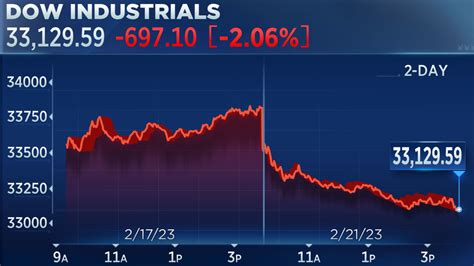
US Stock Market Chart Today: Your Daily Market GuideWhenever you’re diving into the world of finance, one of the first things you’ll want to check is the
US stock market chart today
. It’s like the heartbeat of the economy, guys, a crucial visual tool that helps us understand what’s happening with stocks right now and where things might be headed. Whether you’re a seasoned investor or just starting out, knowing how to interpret these dynamic charts is super important. We’re going to break down everything you need to know, from the basics of reading a graph to spotting key trends and making smarter decisions. So, buckle up, because by the end of this, you’ll feel a lot more confident looking at that squiggly line on your screen! We’ll explore why understanding the
US stock market graph today
isn’t just for Wall Street pros, but for anyone looking to build wealth or simply stay informed about the financial world that impacts us all. This comprehensive guide will equip you with the knowledge to not only view but truly comprehend the daily movements, giving you an edge in interpreting the complex dance of market forces. Let’s get real, the market can seem intimidating, but with the right insights into the
US stock market chart today
, you’ll be able to demystify it and use it to your advantage, spotting opportunities and understanding risks that others might miss.## Understanding the US Stock Market Chart Today: Your Visual Blueprint for the MarketGuys, let’s kick things off by really understanding what a
US stock market chart today
actually is and why it’s such a big deal. At its core, a stock market chart is simply a visual representation of how the price of a particular stock, index, or commodity has moved over a period of time. Think of it as a story told through lines and bars, showing you the ups and downs, the rallies and the dips, all laid out chronologically. When we talk about the
US stock market chart today
, we’re often referring to the performance of major indices like the
S&P 500
, the
Dow Jones Industrial Average (DJIA)
, or the
Nasdaq Composite
. These indices aggregate the performance of many different companies, giving us a broad snapshot of the market’s health. For instance, if the S&P 500 chart is trending upwards, it generally indicates a positive sentiment across a wide range of large US companies.Conversely, a downward trend might signal widespread economic concerns or a correction.
Why is this important for you today
? Because these charts provide immediate, actionable insights. You don’t need to read dozens of financial reports; a glance at the
US stock market graph today
can tell you a lot about investor confidence, economic forecasts, and even global events impacting the market. We typically look at different timeframes: there’s the intraday chart showing movements within a single trading day, daily charts for day-to-day changes, weekly, monthly, and even yearly charts for long-term trends. Each timeframe offers a different perspective, helping you tailor your analysis to your investment goals. For example, a day trader might focus on minute-by-minute changes, while a long-term investor might zoom out to the monthly chart to identify enduring patterns. The most common types of charts you’ll encounter are line charts, bar charts, and candlestick charts. Line charts are the simplest, connecting closing prices over time. Bar charts offer more detail, showing the open, high, low, and close for each period. But the real star for many traders is the
candlestick chart
. These guys are super informative, depicting the open, close, high, and low prices for a given period using a ‘body’ and ‘wicks,’ with different colors (usually green/white for up, red/black for down) quickly indicating if the price closed higher or lower than it opened. Learning to read these quickly will seriously boost your market intuition. This visual language of the market helps demystify complex data, making it accessible even if you’re not a math whiz. Remember, the goal isn’t just to see the lines but to understand the forces driving them and what they might imply for your financial future. It’s about empowering yourself with knowledge so you can make informed choices, rather than just reacting to headlines. The
US stock market chart today
is your personal compass in the vast financial ocean.## Key Indicators and Trends on US Stock Market Charts: What the Pros Look ForAlright, now that we’re comfy with the basics of viewing the
US stock market chart today
, let’s level up and talk about what the pros — and savvy individual investors like us — actually look for on these charts. It’s not just about seeing a line go up or down; it’s about understanding the nuances and reading between the lines, literally. There are several key indicators and patterns that can give you a much deeper insight into the market’s current state and potential future movements. First up, we’ve got
Volume
. This is a super important one, guys. Volume refers to the number of shares or contracts traded for a particular stock or index during a given period. High volume often signifies strong conviction behind a price move. If the market is rallying on high volume, it suggests many participants are buying in, lending credibility to the upward trend. Conversely, a price drop on heavy volume can signal strong selling pressure. A move on low volume, however, might be less significant, as it could be due to a lack of interest rather than a strong consensus. Keep an eye on the volume bars usually displayed at the bottom of your
US stock market graph today
; they tell a big part of the story.Next, let’s talk about
Moving Averages
. These are powerful tools that smooth out price data to help identify trends. The most common ones are the Simple Moving Average (SMA) and the Exponential Moving Average (EMA). A 50-day SMA or EMA is often used to identify short-to-medium term trends, while a 200-day SMA or EMA is a popular indicator for long-term trends. When the shorter-term moving average crosses above the longer-term one, it’s often seen as a
bullish signal
(a
