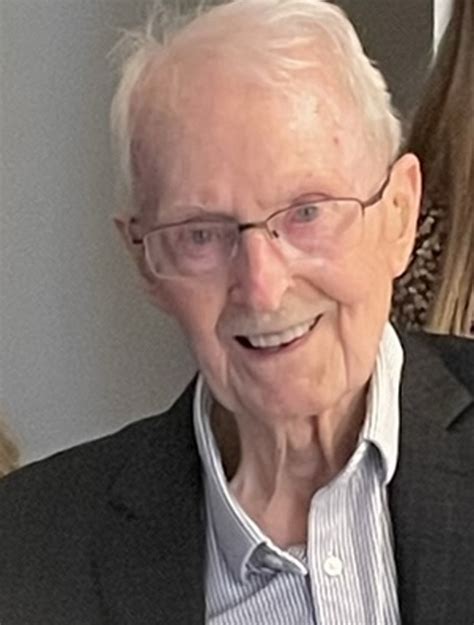
William Sidney Bridger: A WWII Hero’s Unforgettable Journey# The Call to Arms: William Sidney Bridger’s Early War Years
William Sidney Bridger
, a name that resonates with the courage and sacrifice of a generation, found himself, like millions of others, caught in the sweeping tide of
World War II
. Back in the late 1930s and early 1940s, life in his small hometown felt simple, predictable, even idyllic in its own way. Guys like William,
just ordinary folks
, were probably thinking about their next paycheck, maybe a local dance, or building a future with their sweethearts. But then, the drumbeat of war grew louder, an ominous rhythm echoing from distant lands that soon became terrifyingly close.
Imagine this
: you’re living your life, minding your own business, and suddenly, the entire world is plunged into an unimaginable conflict. That’s exactly what happened to William. He wasn’t born a warrior; he was a young man with dreams, much like you or I, who answered a desperate call. The invasion of Poland, the fall of France, the Battle of Britain – these events weren’t just headlines; they were harbingers of a global catastrophe that demanded action.When the time came, and the call to arms grew undeniable,
William Sidney Bridger
didn’t hesitate. He felt that profound sense of duty, a feeling that ran deep in the hearts of so many young men of his era. It wasn’t about glory or grand narratives; it was about protecting what he loved, his home, his country, and the ideals of freedom against an encroaching darkness.
Enlisting wasn’t an easy decision, no sir
, it meant leaving everything familiar behind: family, friends, the comforting routines of daily life. The goodbye to his mother, a stoic tearful nod from his father, the heartbreaking farewell to a sweetheart – these were the silent, poignant moments that marked the true beginning of his journey. He traded civilian clothes for a uniform, his peaceful days for the rigors of
basic training
.Basic training, for
William Sidney Bridger
and his fellow recruits, was a jarring transformation. It was a crucible designed to forge civilians into soldiers, to strip away individual habits and instill collective discipline.
Man, it was tough!
The physical demands were relentless: endless drills, obstacle courses, forced marches under the blazing sun or through bone-chilling rain. But it wasn’t just physical; it was mental too. They learned to fire rifles, dismantle and reassemble weapons in the dark, navigate treacherous terrain, and understand the brutal realities of combat strategy. The instructors, often veterans of earlier skirmishes or simply hardened by the sheer necessity of their role, pushed them to their limits, screaming commands, demanding perfection. Yet, amidst the sweat, the exhaustion, and the fear of the unknown, something powerful began to form:
camaraderie
. These guys, from all walks of life, became a unit, a brotherhood bound by shared hardship and a common purpose. William found himself relying on the man next to him, and in turn, being relied upon. This initial period, from the first tentative steps into the recruiting office to the final, nerve-wracking days of training, fundamentally reshaped
William Sidney Bridger
. He was no longer just a boy from home; he was a soldier, ready to face the unimaginable horrors of
WWII
. This foundational experience, these
early war years
, were absolutely critical in shaping the man who would confront the European battlefields head-on. He understood the stakes, he learned the skills, and most importantly, he found a deep connection with the men who would fight alongside him, proving that even in the face of global conflict, human connection and the spirit of duty could truly shine through.# On the Front Lines: Bridger’s European CampaignAs
William Sidney Bridger
shipped out across the Atlantic, the sheer scale of the undertaking must have been overwhelming. Leaving the relative safety of home shores, he, like thousands of his comrades, was heading directly into the inferno of the
European Campaign
. For many, including William, this meant landing on the beaches of Normandy as part of the
D-Day invasion
or shortly thereafter, wading into a continent scarred by years of brutal fighting.
Guys, imagine the scene
: the cacophony of exploding shells, the incessant chatter of machine guns, the acrid smell of gunpowder mixed with fear, and the sight of comrades falling around you. This wasn’t a training exercise; this was the brutal, unforgiving reality of
World War II
. William found himself thrust into intense ground combat, often navigating treacherous landscapes – hedgerows in Normandy, dense forests in the Ardennes, or bombed-out cities across France and Germany. Each day was a battle for survival, not just against the enemy, but against the elements, against exhaustion, and against the crushing weight of psychological stress.His unit, a tight-knit band forged in the fires of basic training, became his world. They moved through shattered villages, cleared fortified positions, and endured relentless bombardments.
William Sidney Bridger
witnessed unimaginable destruction, the kind that changes a person forever. He saw friends wounded, some fatally, their absence leaving an agonizing void that could only be filled by a renewed determination to fight for them. The
Battle of the Bulge
, a brutal winter offensive launched by the Germans, was particularly harrowing. The biting cold, the snow-covered forests, the constant threat of encirclement – it pushed everyone to their absolute limits. William, like so many others, dug foxholes in frozen ground, shared meager rations, and fought with a courage born not just of patriotism, but of an unbreakable bond with the men beside him.
It was here, amidst the freezing temperatures and relentless fighting, that the true grit of soldiers like Bridger was unequivocally tested
. They held their ground, pushing back against a desperate enemy, showcasing incredible resilience and strategic prowess that ultimately turned the tide.The day-to-day existence on the front lines was a relentless cycle of tension and terror. Sleep was often a luxury, punctuated by nightmares or the sudden burst of artillery fire. Food was utilitarian, often cold, and always scarce. Personal hygiene was nearly impossible, leading to widespread issues like trench foot and other ailments. Yet, through it all,
William Sidney Bridger
and his fellow soldiers found ways to endure, to maintain their humanity. They shared cigarettes, traded stories, found moments of dark humor, and clung to faded photographs of loved ones back home. These small acts of defiance against the dehumanizing nature of war were vital for their sanity. He learned to read the landscape for hidden dangers, to anticipate enemy movements, and to rely on his instincts in a way he never thought possible. From the initial push inland after D-Day, through the liberation of towns and cities, to the final thrust into Germany,
Bridger’s European campaign
was a relentless, grueling journey. He was a participant in history, a
key player
in the fight against tyranny, and his experiences on the front lines forever etched the true meaning of courage, sacrifice, and survival into his very soul. The horrors he witnessed and the bravery he displayed represent the quintessential experience of a generation who truly saved the world.# Moments of Humanity Amidst ChaosEven amidst the deafening roar of battle and the ever-present threat of death,
William Sidney Bridger
and his comrades found remarkable
moments of humanity
. These weren’t grand gestures for the history books, but quiet, profound acts of kindness, shared laughter, and unwavering support that stitched together the torn fabric of their sanity.
You know, when you’re facing hell on Earth, those tiny glimmers of light become everything
. The bonds formed in combat are unlike any other, a brotherhood forged in fire where trust is absolute and loyalty is unwavering. William often recounted how a simple shared cigarette or a whispered joke in the darkest hours could lighten the impossible burden they carried. It wasn’t just about fighting the enemy; it was about protecting each other, about carrying a wounded friend, or simply offering a comforting hand when someone was overwhelmed by fear or despair. These were the
true tests of character
, revealing the depth of human spirit even when surrounded by the most inhumane conditions imaginable.The psychological toll of
World War II
was immense, and soldiers like
William Sidney Bridger
had to find ways to cope with the relentless stress, the loss of friends, and the constant exposure to violence. Humour, often dark and macabre, became a powerful coping mechanism. It was a way to diffuse tension, to momentarily escape the grim reality, and to reaffirm their shared humanity. They’d tell stories, poke fun at their own misfortunes, or find hilarity in absurd situations – anything to avoid succumbing to the creeping despair. These shared laughs, however brief, were vital lifelines. Beyond humor, there were the small, precious tokens from home: a letter from a loved one, a photograph tucked into a helmet, a carefully preserved candy bar. For William, these simple items were a tangible link to the world he was fighting for, a reminder of the peace and normalcy that awaited, hopefully, on the other side of the war.
These small comforts provided immense emotional sustenance
, keeping hope alive when everything else seemed to scream hopelessness.The importance of
camaraderie
cannot be overstated when discussing the experiences of soldiers like
William Sidney Bridger
. They truly became each other’s family. They celebrated small victories together, mourned losses together, and shared an unspoken understanding that transcended words. When one man was down, the others would lift him up, physically and emotionally. When supplies were scarce, they’d pool what they had. This mutual support was not just about survival; it was about preserving their collective spirit. William remembered a specific instance when his unit was pinned down, and a fellow soldier, despite being injured, managed to suppress enemy fire long enough for others to reposition. This act of selfless bravery, mirrored by countless others throughout the war, cemented the belief that they were all in this together, and they would get through it together, or not at all. These
moments of profound connection
and shared struggle provided the necessary resilience to endure the chaos and terror of the
European Front
. They highlight the incredible capacity for love, loyalty, and empathy that defines us as humans, even in the very worst of circumstances. William Sidney Bridger’s story, like so many others, is a testament to the enduring power of humanity in the face of unimaginable adversity.# The Long Road Home: Post-War Adjustments for BridgerWhen the guns finally fell silent in Europe, the relief for
William Sidney Bridger
and millions like him must have been overwhelming, a wave of exhaustion and gratitude washing over them. But the end of the fighting didn’t mean an end to the struggle; it simply marked the beginning of a different kind of battle: the
long road home
and the complex process of
post-war adjustment
. Guys, imagine spending years in a high-stakes environment where survival is your constant goal, where every sense is heightened, and then suddenly, you’re expected to just “go back to normal.” It’s not that simple, is it? For William, returning home was a bittersweet experience. There was immense joy in reuniting with family and friends, in seeing the familiar sights and sounds of his hometown. But there was also a profound sense of dislocation, a feeling that he no longer quite fit into the world he had left behind. The boy who went to war was not the man who returned; he was
forever changed
by the horrors and heroism he had witnessed and participated in during
World War II
.Many veterans, including
William Sidney Bridger
, grappled with the invisible wounds of war. While the term
PTSD
(Post-Traumatic Stress Disorder) wasn’t formally recognized or understood in the way it is today, the symptoms were very real. Nightmares, flashbacks, a heightened sense of anxiety, difficulty sleeping, and a general feeling of detachment were common. William found it hard to talk about his experiences; how do you explain the unexplainable to someone who hasn’t lived through it? How do you convey the smell of fear, the sound of a bullet whistling past your ear, or the sight of a comrade falling, to folks who spent the war on the home front? This communication gap often led to a sense of isolation. Society, in its eagerness to move on and celebrate its heroes, sometimes failed to recognize the deep psychological scars carried by its returning soldiers. William had to learn to navigate this new landscape, finding solace where he could, perhaps in the quiet rhythms of civilian life, or in the shared understanding with other veterans who truly “got it.“Rebuilding a life after years of war was a monumental task for
William Sidney Bridger
. He might have returned to his old job, or perhaps sought new opportunities, but the war had fundamentally altered his perspective. Priorities had shifted. What once seemed important might now seem trivial, and conversely, simple pleasures gained a newfound significance. He had to learn to trust in peace again, to let go of the constant vigilance that had kept him alive. For many veterans, starting families, pursuing education through the GI Bill, or simply finding a quiet place to heal became central to their post-war existence. William, like so many others, found strength in the enduring love of his family and the slow, steady process of re-engaging with civilian life. It wasn’t an instant fix, but a
gradual journey of healing and reintegration
. His story, a testament to the resilience of the human spirit, underscores the profound and lasting impact
WWII
had on individuals, and the incredible strength required not just to fight a war, but to come home and build a meaningful life afterward. His legacy isn’t just about his bravery on the battlefield, but also his quiet courage in navigating the complex aftermath, reminding us that the fight for peace often continues long after the final shot is fired.# William Sidney Bridger’s Enduring Legacy and the Impact of WWIIThe story of
William Sidney Bridger
is more than just a personal narrative; it’s a powerful microcosm of the
enduring legacy
left by the entire
World War II generation
. His experiences, from the initial call to arms to the challenging return home, embody the courage, sacrifice, and resilience that defined a pivotal era in human history.
Guys, when we talk about history, it’s not just dates and battles; it’s about the people, the individuals whose lives were forever intertwined with these massive events
. William’s story serves as a vivid reminder that freedom often comes at an immense cost, borne by ordinary men and women who, when faced with extraordinary circumstances, rose to meet the challenge. His life, and the lives of countless others like him, painted a stark picture of the true impact of global conflict, urging us to understand, remember, and honor their contributions. Their collective spirit of perseverance against tyranny literally
shaped the world we live in today
.The
impact of WWII
on society, culture, and geopolitics is simply immeasurable, and
William Sidney Bridger
’s personal journey helps us connect with this grand narrative on a human level. He represents the selfless dedication that halted the spread of fascism and totalitarianism, paving the way for decades of relative peace and prosperity in many parts of the world. The values he and his comrades fought for – liberty, democracy, and justice – continue to resonate and serve as cornerstones of free societies. Learning about individuals like William encourages us to reflect on the nature of war, the importance of diplomacy, and the perpetual need to safeguard human rights. His sacrifices were not in vain; they contributed to the establishment of international bodies aimed at preventing future conflicts and fostered a global understanding of shared responsibility.
His story becomes a touchstone
, allowing us to grasp the profound historical shifts that occurred and the incredible human will that drove them.Ultimately,
William Sidney Bridger
’s
enduring legacy
is a call to remembrance, a plea to never forget the lessons learned and the price paid. It’s a reminder for current and future generations to cherish peace, to stand against oppression, and to recognize the inherent value of human life. His journey underscores the importance of oral histories and personal accounts in keeping historical memory alive, ensuring that the sacrifices of the past are not relegated to dusty textbooks but remain vibrant and relevant. We owe it to veterans like William to understand their experiences, to support those who continue to serve, and to strive for a world where such widespread conflict becomes a relic of the past. His quiet heroism, his steadfast determination, and his eventual triumph over both external and internal battles, stand as a beacon of hope and a powerful testament to the unbreakable spirit of humanity. So, let’s honor
William Sidney Bridger
and all the brave souls of
WWII
by ensuring their stories continue to inspire, educate, and guide us toward a more peaceful future. His life truly exemplifies the profound and lasting
impact of World War II
on every aspect of our global existence.
